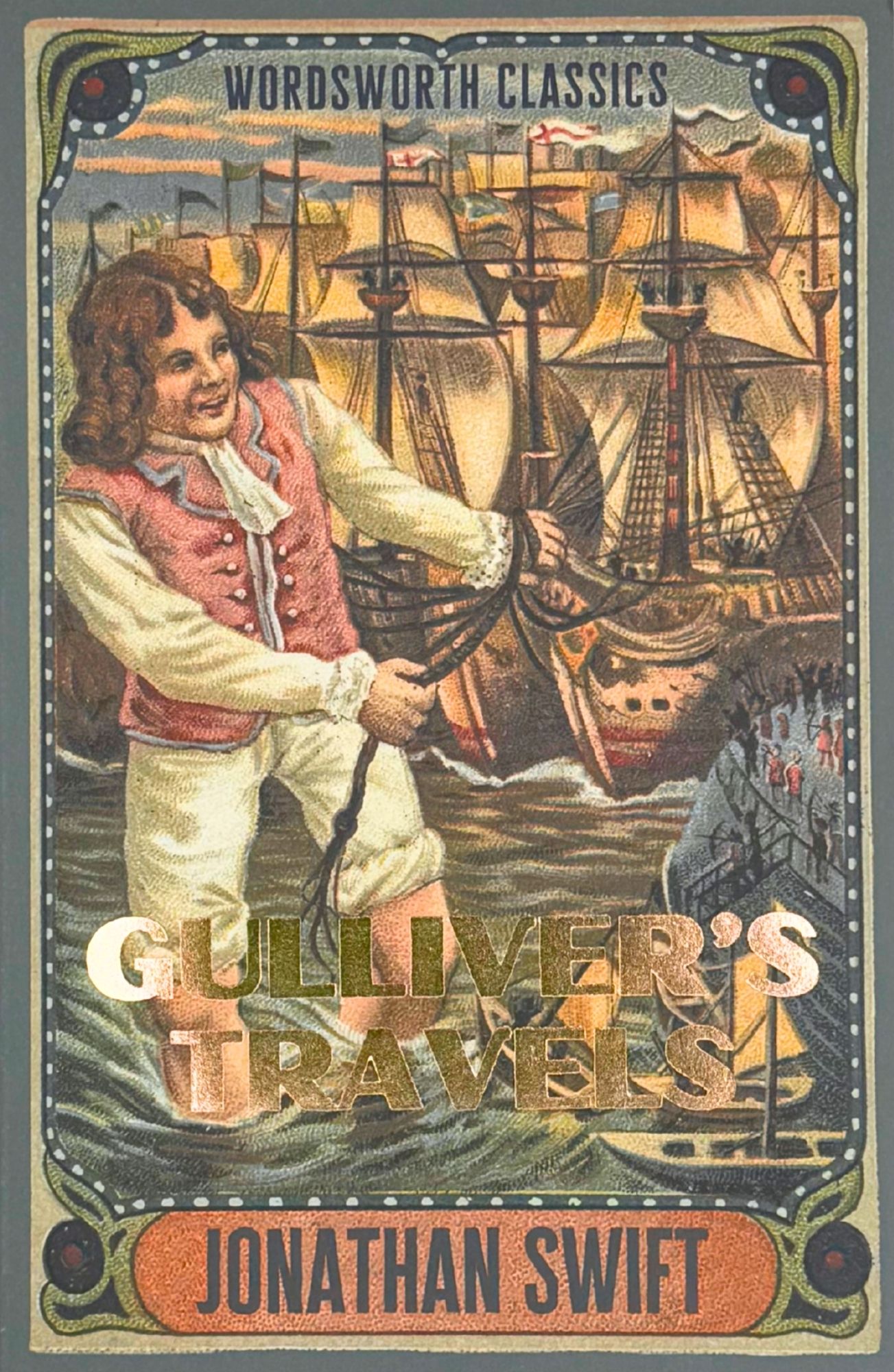
With an Introduction and Notes by Doreen Roberts, Rutherford College, University of Kent at Canterbury.
Jonathan Swift’s classic satirical narrative was first published in 1726, seven years after Defoe’s Robinson Crusoe (one of its few rivals in fame and breadth of appeal).
As a parody travel-memoir it reports on extraordinary lands and societies, whose names have entered the English language: notably the minute inhabitants of Lilliput, the giants of Brobdingnag, and the Yahoos in Houyhnhnmland, where talking horses are the dominant species. It spares no vested interest from its irreverent wit, and its attack on political and financial corruption, as well as abuses in science, continue to resonate in our own times.
Essential cookies enable basic functions and are necessary for the proper function of the website.
Name
Description
Duration
Cookie Preferences
This cookie is used to store the user's cookie consent preferences.
30 days
These cookies are used for managing login functionality on this website.
Name
Description
Duration
wordpress_logged_in
Used to store logged-in users.
Persistent
wordpress_sec
Used to track the user across multiple sessions.
15 days
wordpress_test_cookie
Used to determine if cookies are enabled.
Session
Statistics cookies collect information anonymously. This information helps us understand how visitors use our website.
Track user interactions on your site with to optimize engagement and conversions.
Name
Description
Duration
_monsterinsights_uj
Stores anonymized user navigation history on the website, including visited URLs, page titles, and referrer information. It helps site owners analyze user journeys for improved site experience and analytics.
365 days
Marketing cookies are used to follow visitors to websites. The intention is to show ads that are relevant and engaging to the individual user.
Facebook Pixel is a web analytics service that tracks and reports website traffic.