
BLOG POSTS
Category: Book
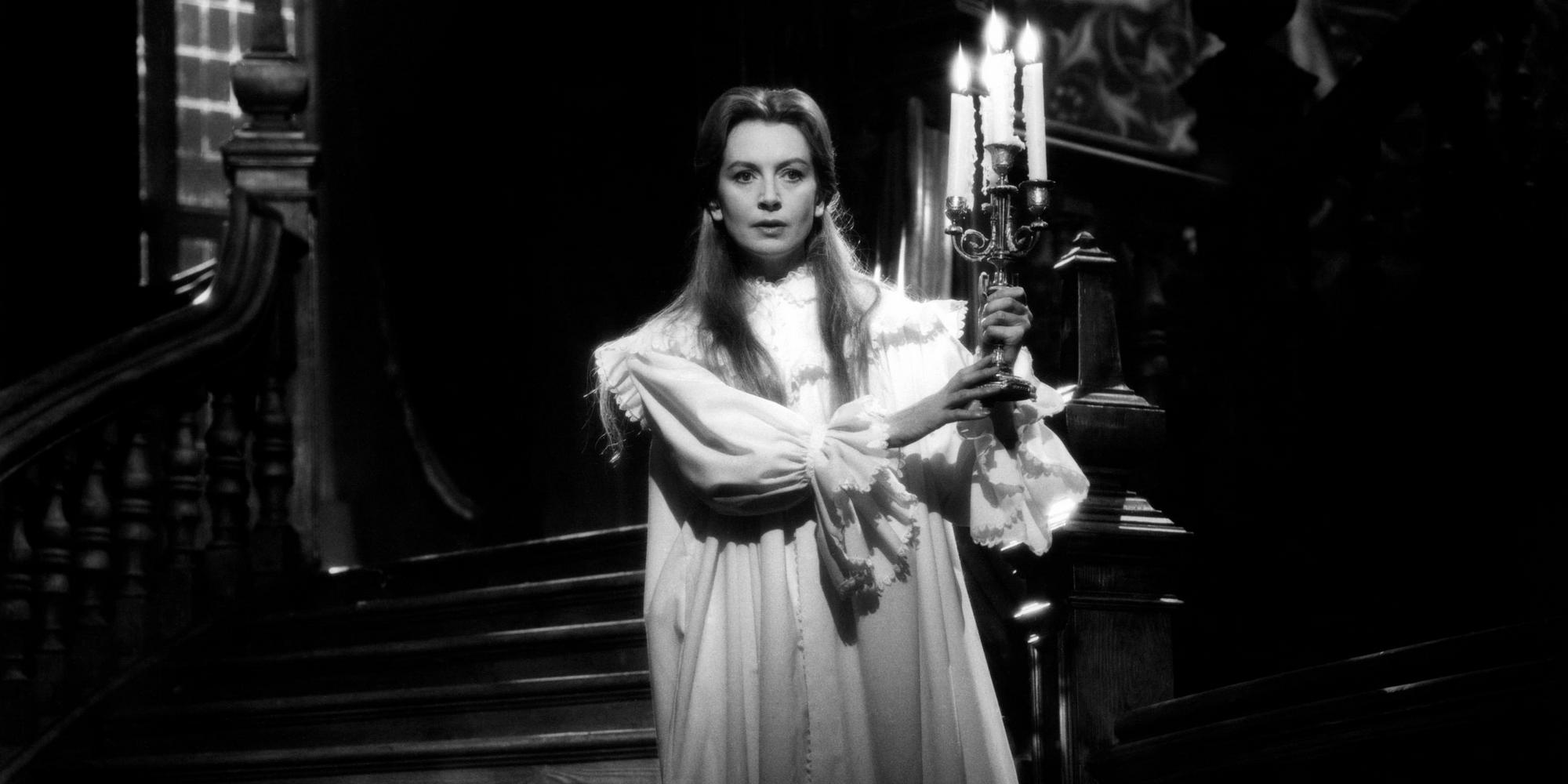
Spooks on Screen
As the nights draw in, the leaves turn red and gold with a chill wind easing them from the branches to provide a rainbow carpet below, and so we move into the Haunting Season. It is the time of Hallowe’en, when all the ghosts and long-legged beasties come out to taunt us poor mortals –… Read More
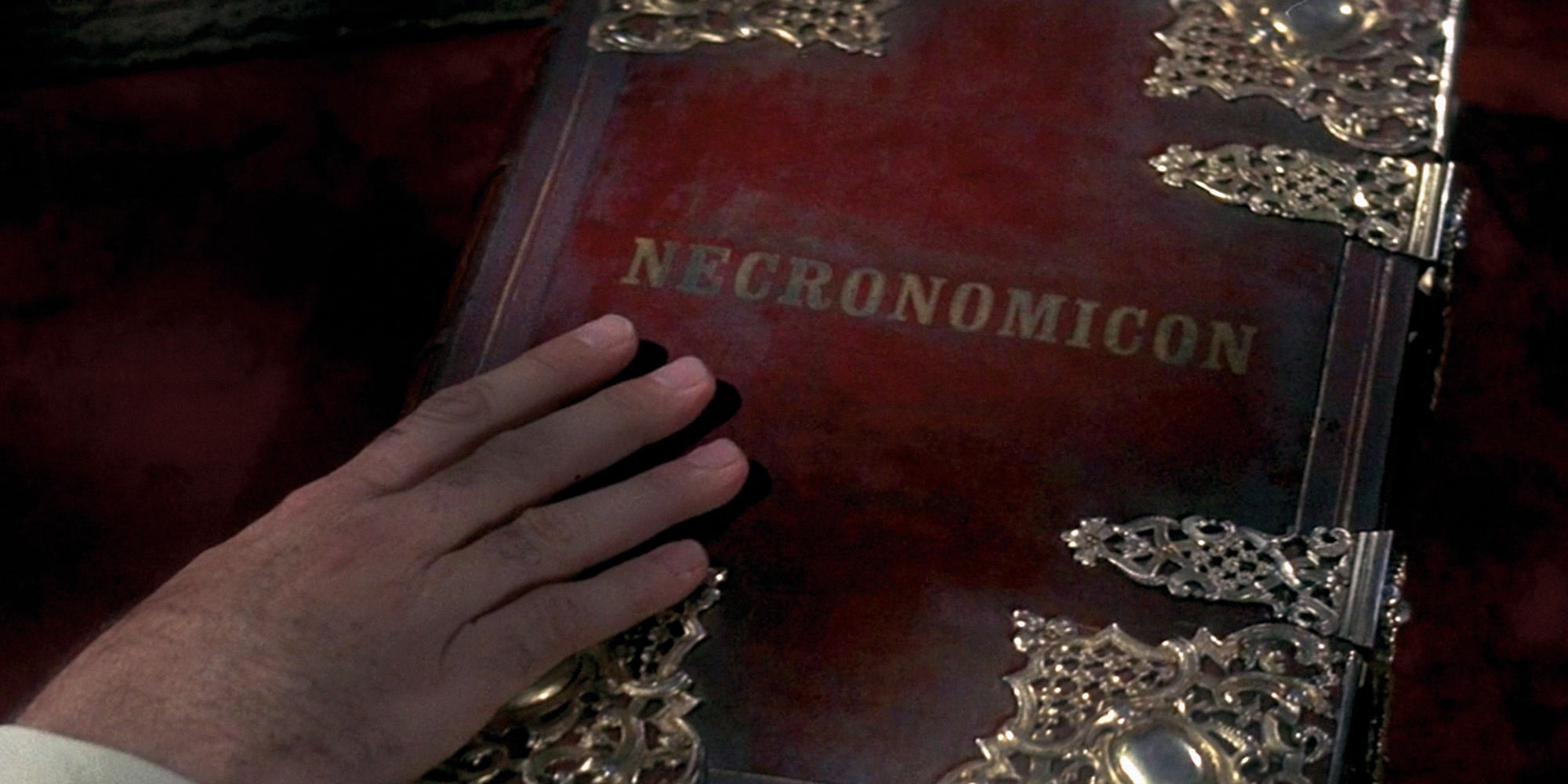
A Literature of Cosmic Fear: H.P. Lovecraft
‘A Literature of Cosmic Fear’: An Introduction to H.P. Lovecraft A blasted heath where nothing grows yet dead trees seem strangely animated; an abandoned well that glows with a colour that has no name; a disastrous expedition to Antarctica written by a survivor only to warn others to stay away; cathedral-sized buildings from before the… Read More
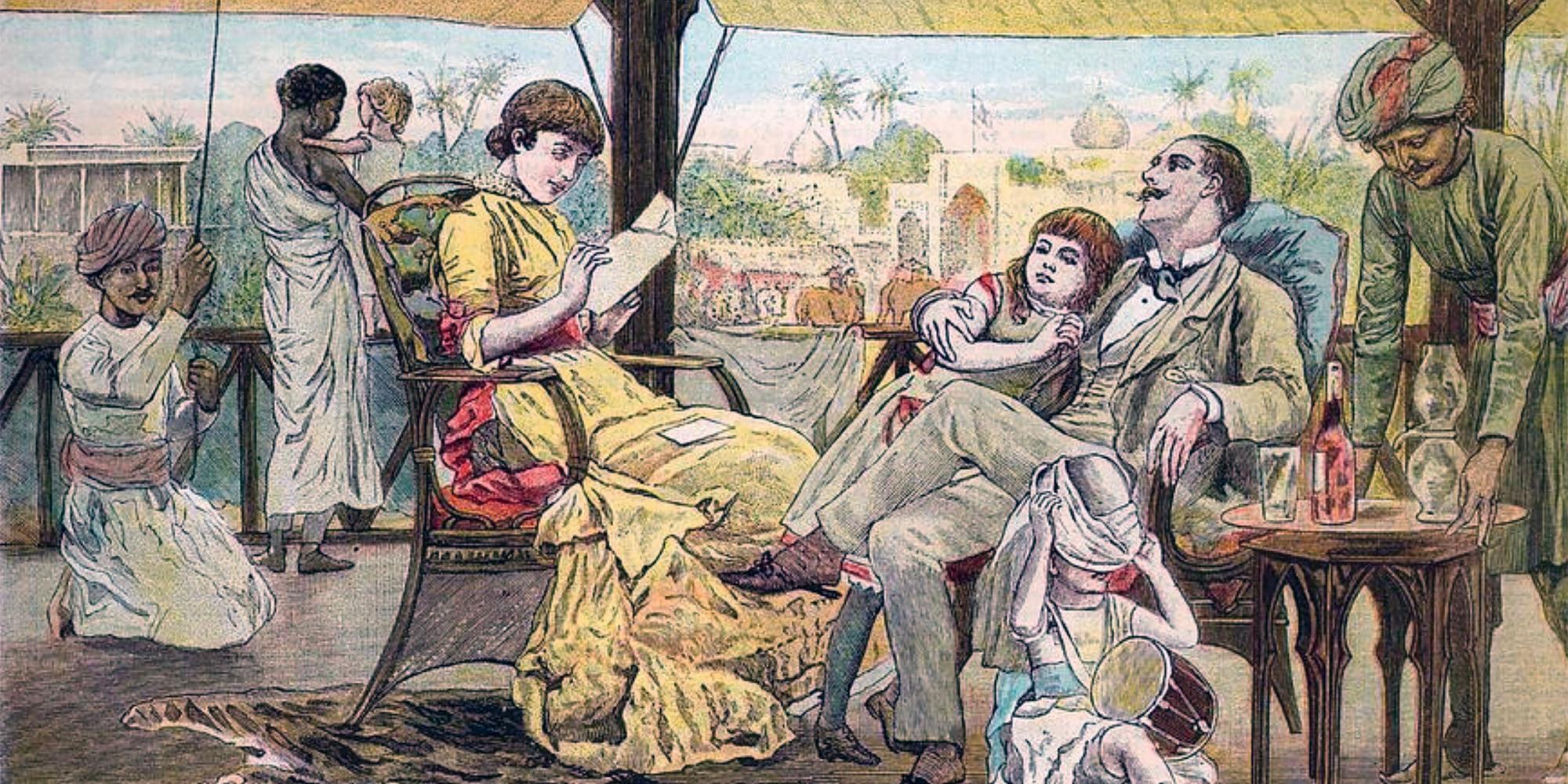
Empire
‘I shall try to fly by those nets’: Sally Minogue offers a final reflection on literature and Empire. If we needed a reminder of the ability of the British to erase the blood-steeped events of our imperialist history, look no further than the late Queen’s funeral. Charlotte Higgins, writing for The Guardian (online September 19),… Read More
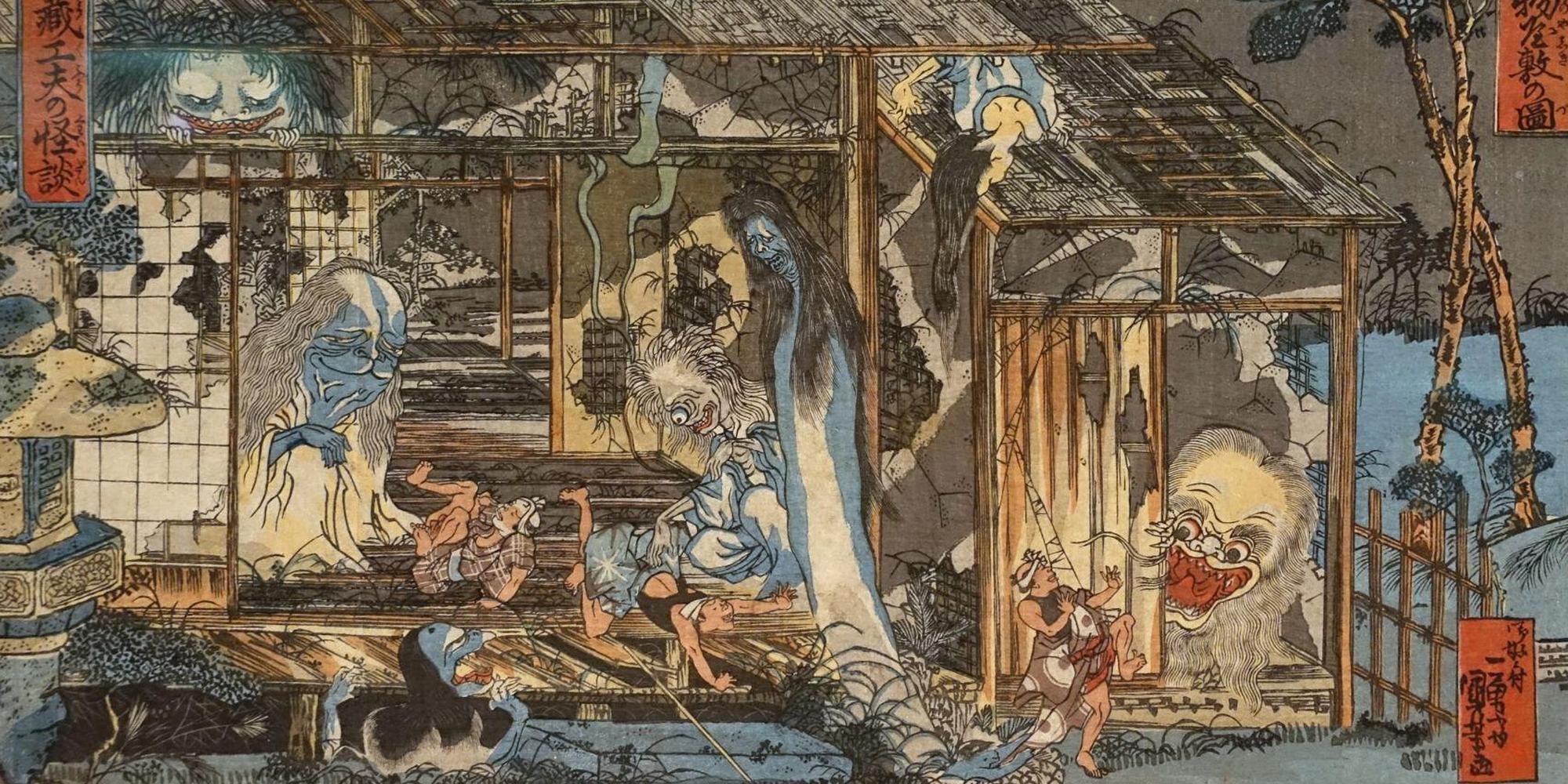
The Ghost Stories of Edith Wharton
Although best known for her novels such as the Pulitzer Prize-winning The Age of Innocence, Edith Wharton was a talented writer of supernatural fiction. David Stuart Davies takes up the story. The genre of the ghost story has attracted writers from the highest echelons, none more so than the Pulitzer Prize winner, Edith Wharton. As a… Read More
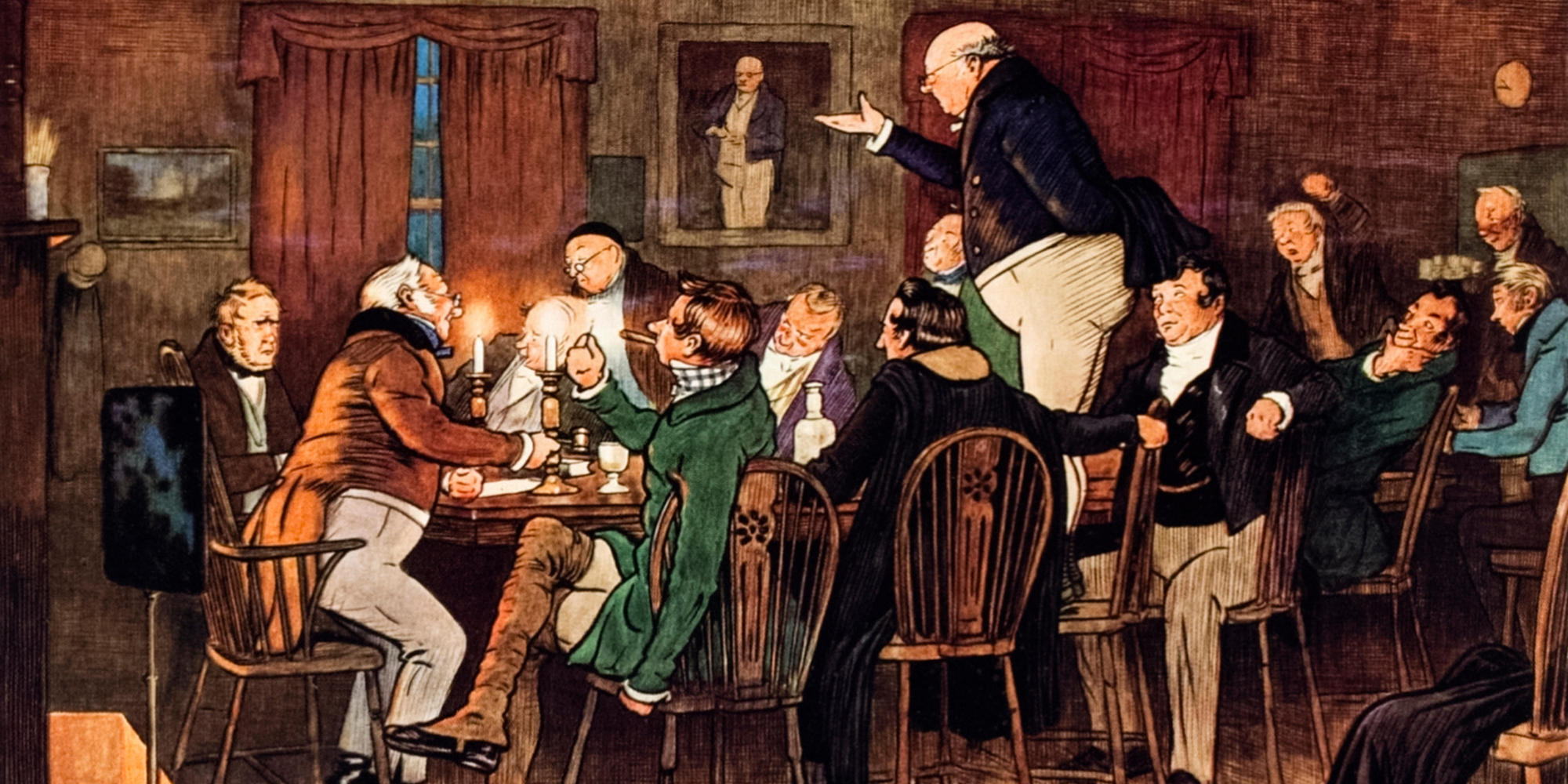
The Pickwick Papers: David Stuart Davies looks at Dickens’ first novel
“That punctual servant of all work, the sun, had just risen, and begun to strike a light on the morning of the thirteenth of May, one thousand eight hundred and twenty-seven, when Samuel Pickwick burst like another sun from his slumbers, threw open his chamber window, and looked out upon the world beneath.’ In 1836… Read More
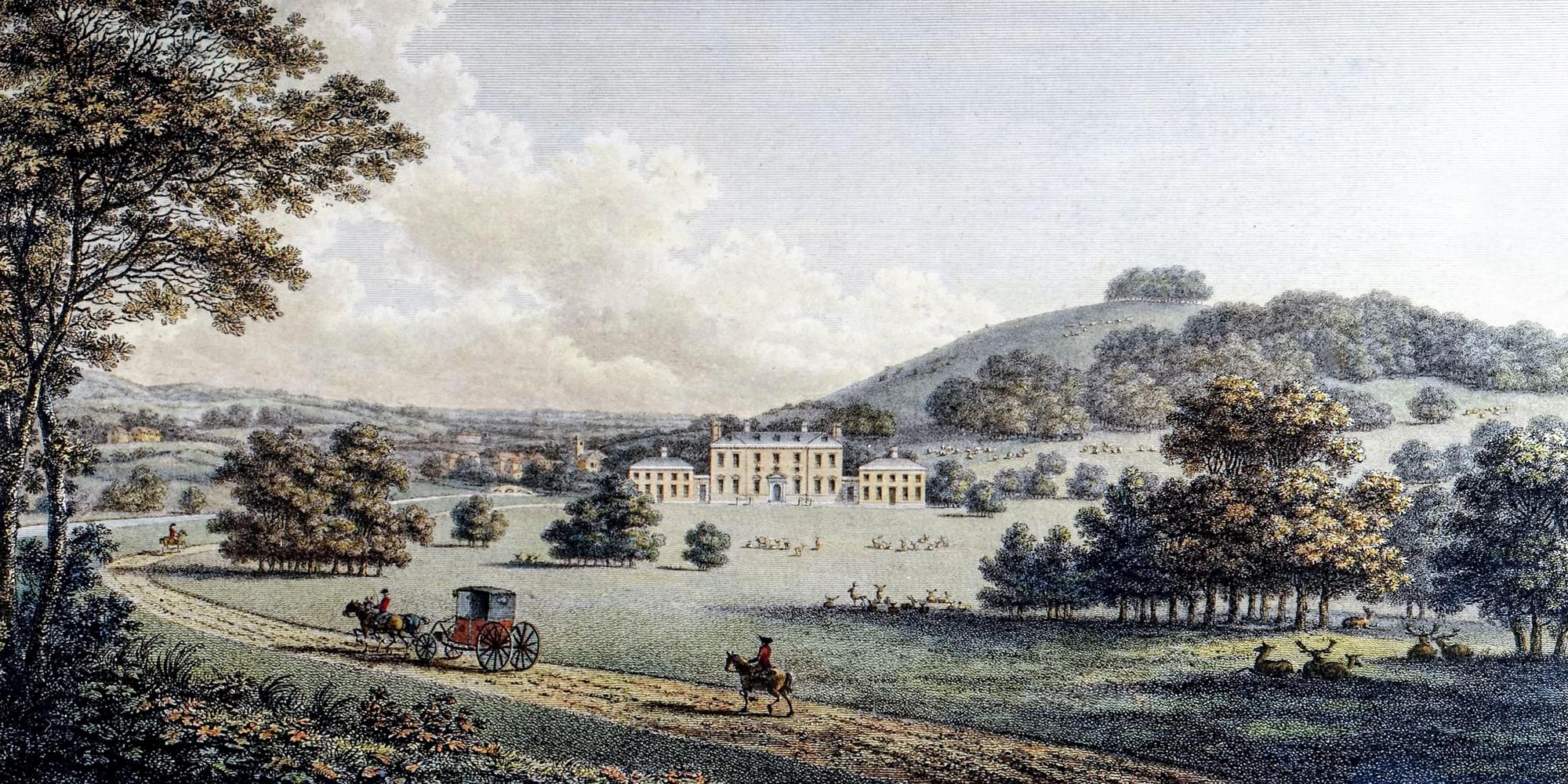
Sally Minogue looks at Mansfield Park
In the third blog in her short series on Empire, Sally Minogue considers whether the hidden issues of slavery in Jane Austen’s Mansfield Park have an impact on the moral compass of the novel. At the heart of any discussion about Empire and the literature of the past is the question of historicity. Is belonging… Read More
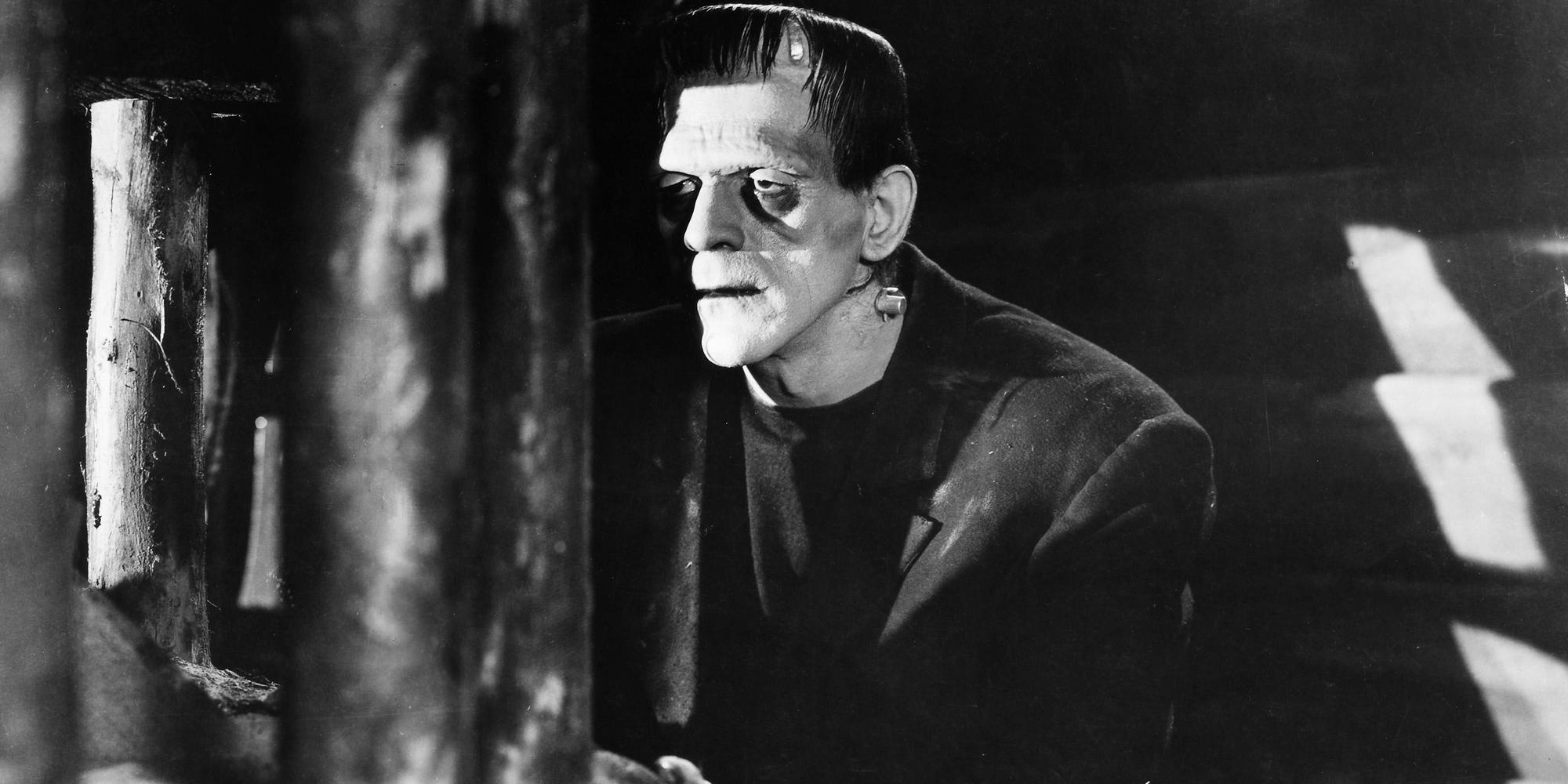
‘Conclusions most forbidden’: Frankenstein and the Romantic Hero
To read Frankenstein is to enter a realm of intersecting myths. It is there immediately in the novel’s original subtitle ‘The Modern Prometheus’, a comparison between the Faustian Victor Frankenstein and the Titan who stole fire from the gods and was punished horribly for gifting it to humanity. As a response to Milton’s Paradise Lost… Read More
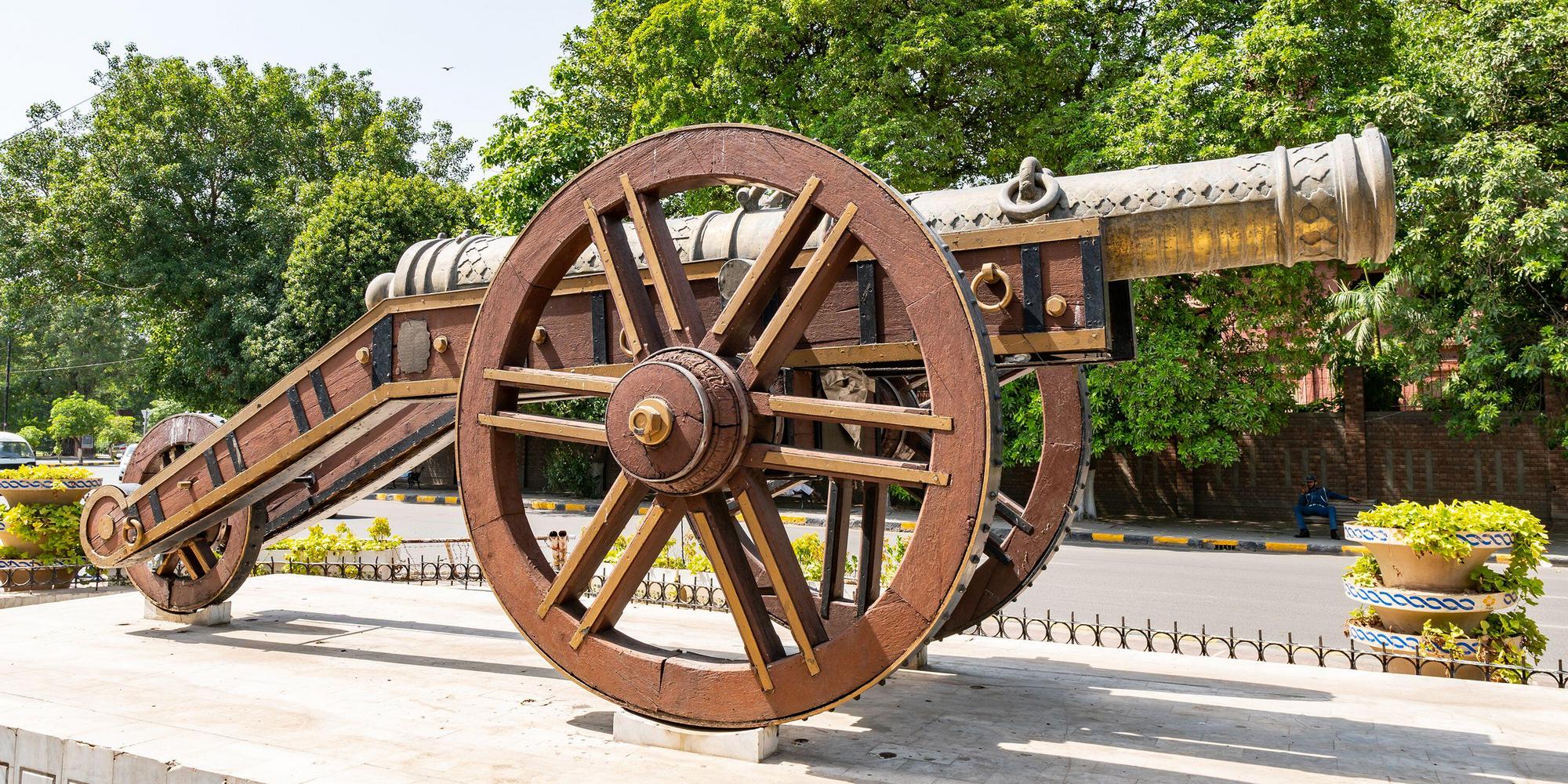
Sally Minogue looks at Kim
Sally Minogue continues her ‘Empire’ series, looking at Rudyard Kipling’s novel Kim and touching on some of his poetry. Rudyard Kipling has elements in common with my previous subject, Joseph Conrad, in spite of appearances to the contrary. ‘Rudyard’ was Kipling’s second given name (his first was Joseph), derived from Rudyard Lake in Staffordshire where… Read More
The Real Count Dracula
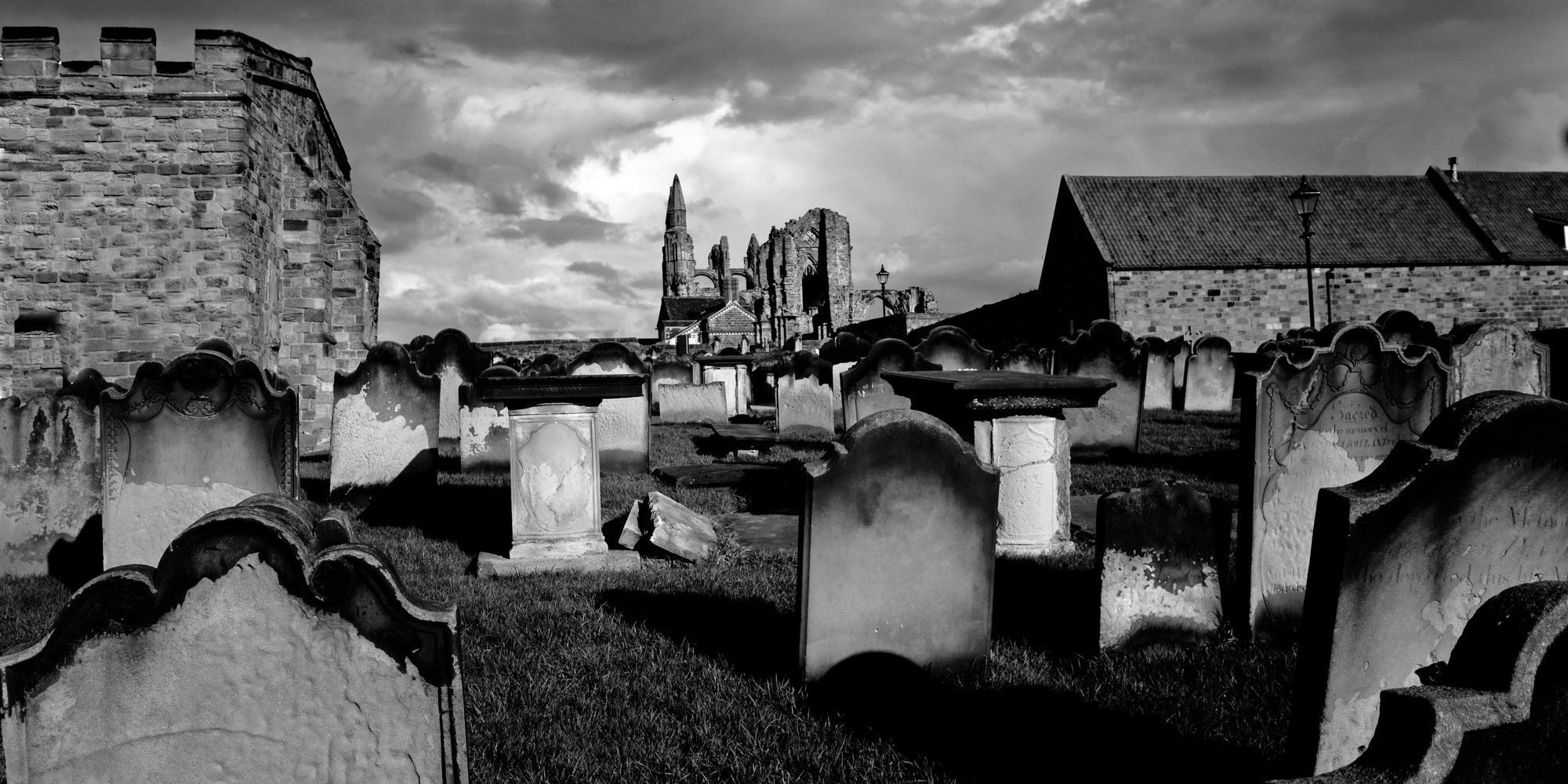
Dr Stephen Carver looks at the most famous vampire of them all. When Bram Stoker died after a series of strokes on April 20, 1912, his obituary in The Times made only a single and cursory reference to Dracula noting that ‘He was the master of a particularly lurid and creepy kind of fiction’. The… Read More