
BLOG POSTS
Archives: Book Authors
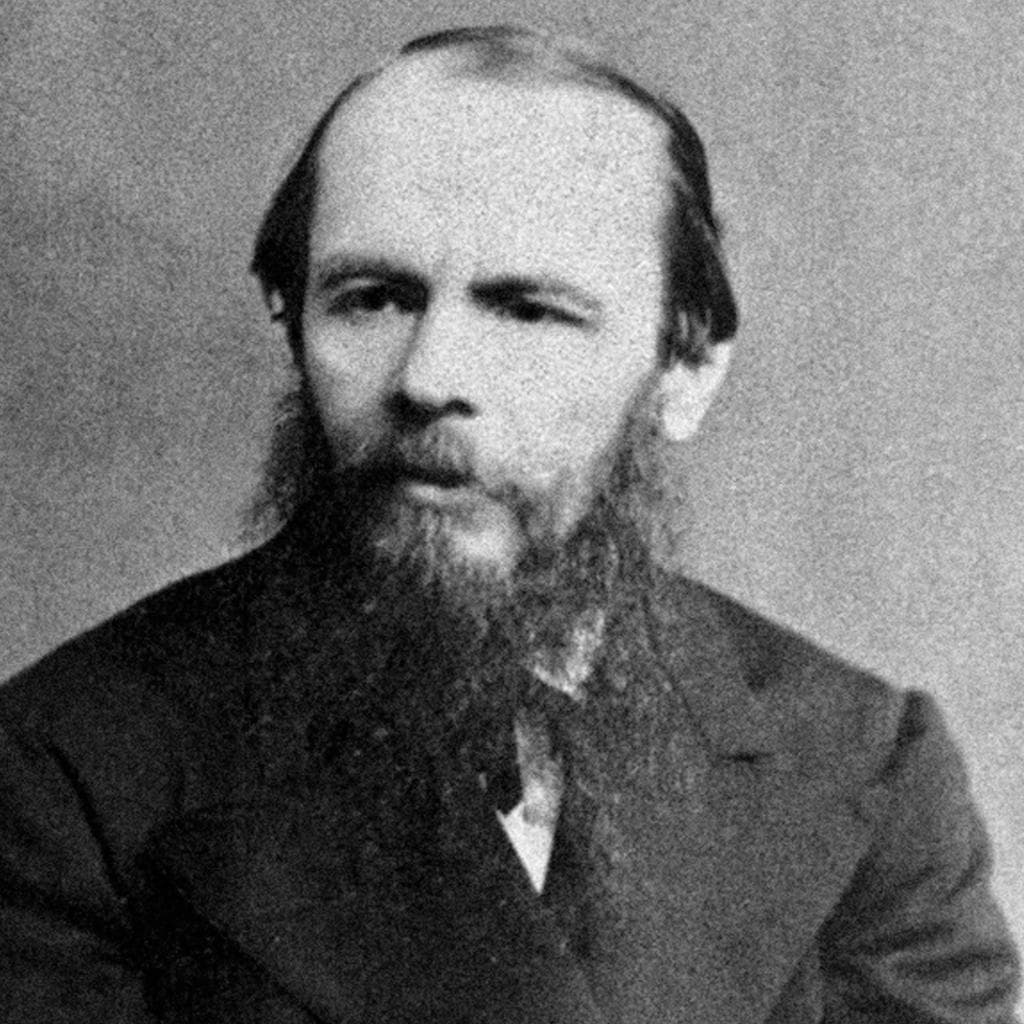
Dostoevsky Fyodor
Fyodor Mikhailovich Dostoevsky (1821-1881) is a Russian novelist. Of his eleven novels, his three most famous were written later in life: ‘Crime and Punishment’, ‘The Idiot’ and ‘The Brothers Karamazov’. His books have been translated into over 170 languages, and have sold over 15 million copies.
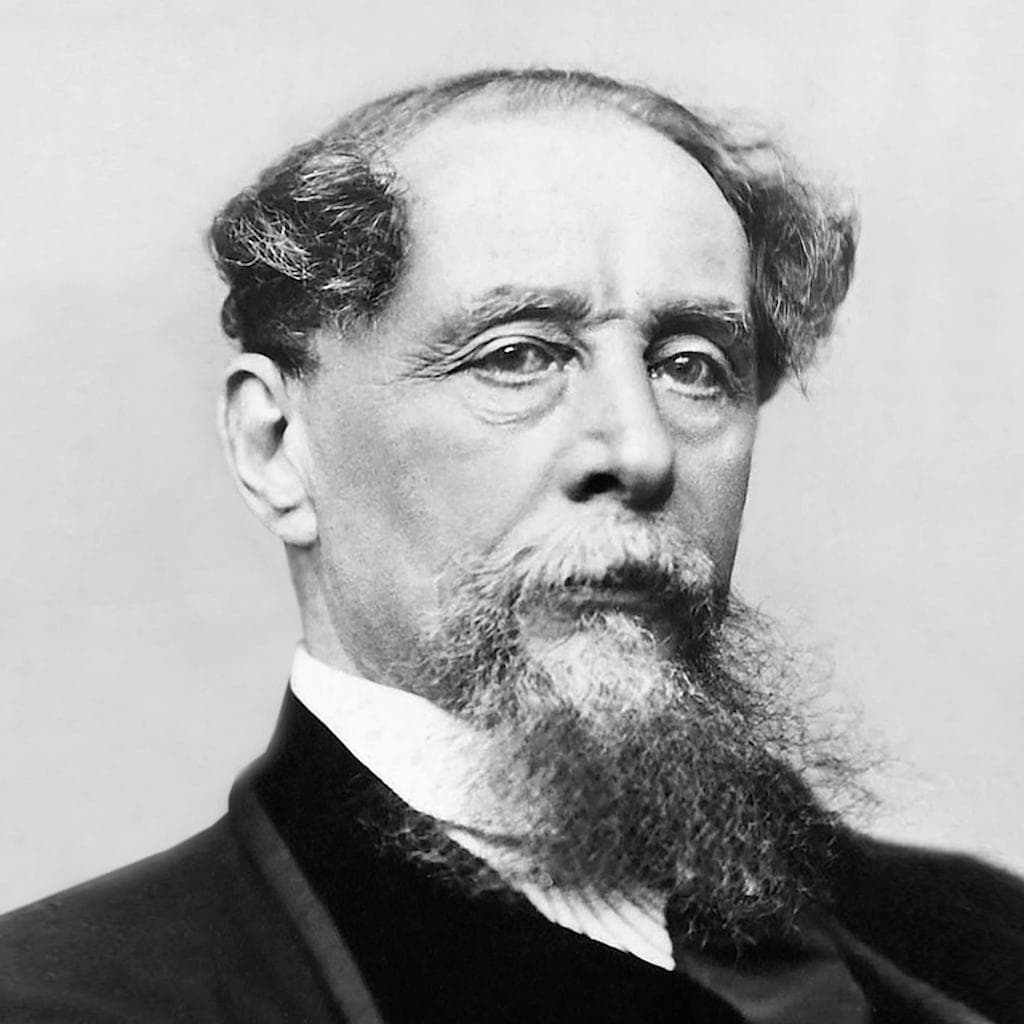
Dickens Charles
When ‘The Posthumous Papers of the Pickwick Club’, his first novel, was published, Charles Dickens (1812-1870) was just twenty-four. Published, like most of his books, in weekly instalments, it started him on a path to fame, wealth and international acclaim. Widely considered to be a literary genius second only to Shakespeare, Dickens’ works, such as ‘Great Expectations’ and ‘A Christmas Carol’, remain as popular as ever.
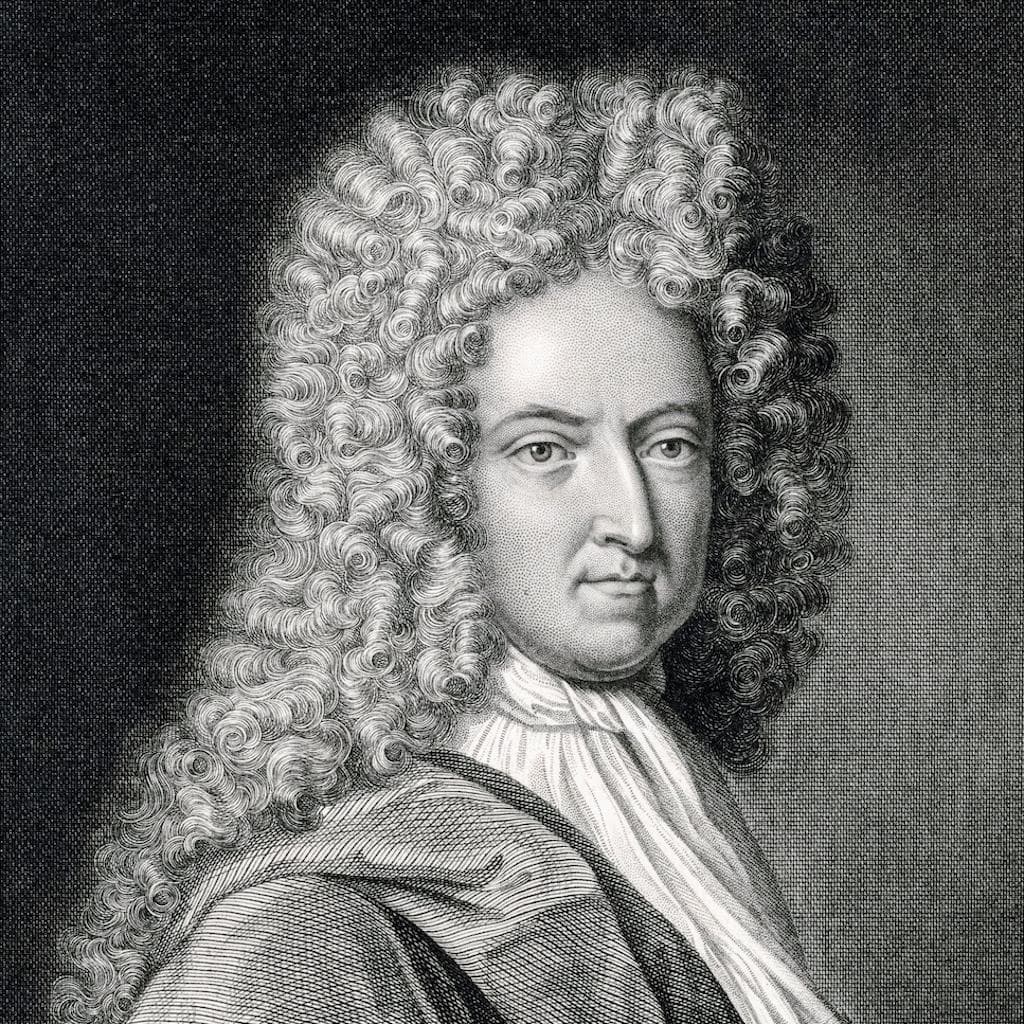
Defoe Daniel
Born Daniel Foe in London in 1660, Defoe was a prodigious writer on many subjects, producing over 500 books, pamphlets and articles. He is now remembered for his novels, primarily ‘The Life and Strange Suprizing Adventures of Robinson Crusoe, of York’ and ‘The Fortunes and Misfortunes of the Famous Moll Flanders’ and is considered to be one of the key figures in establishing the format of the English novel.

Davies David Stuart
David Stuart Davies (1946-2024), General Editor of Wordsworth’s Mystery and Supernatural series, was an editor, novelist, playwright and film historian.
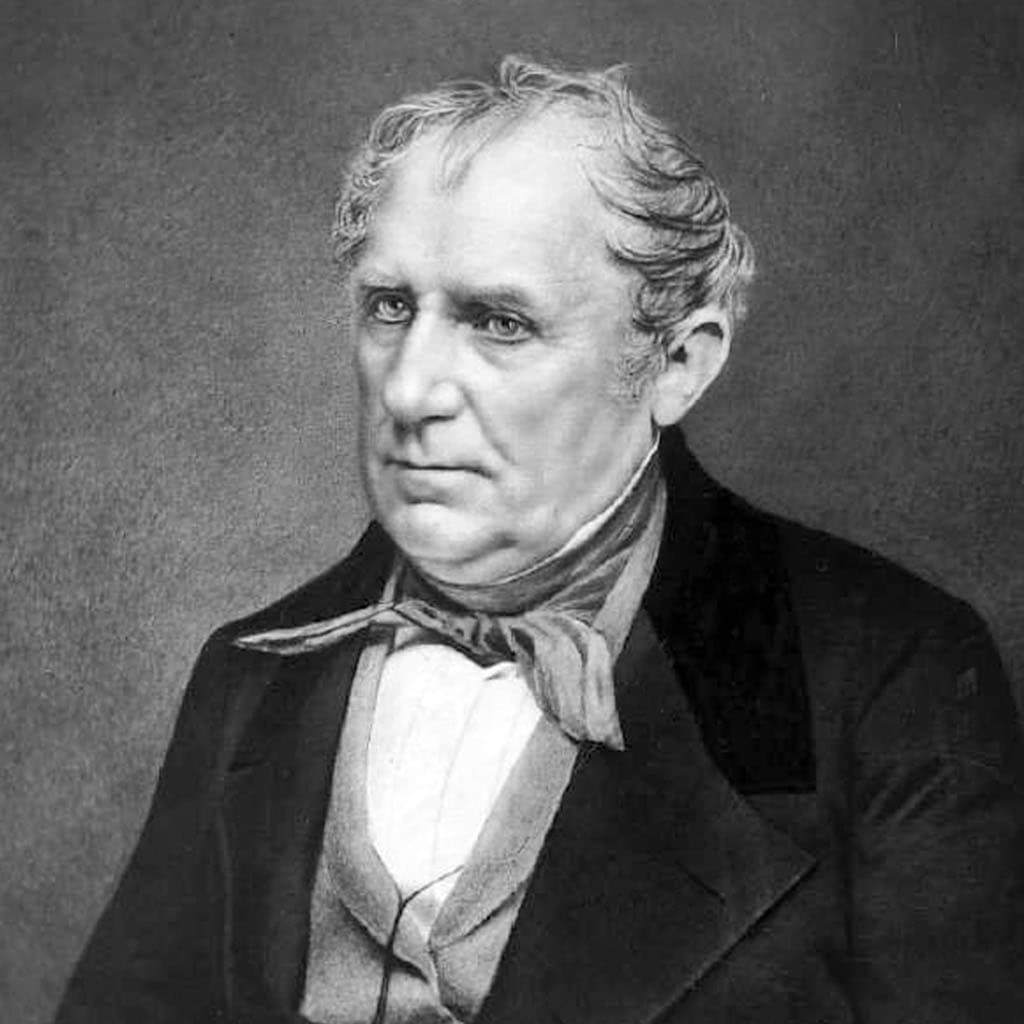
Cooper James Fenimore
James Fenimore Cooper (1789-1851) was an American novelist who, at the height of his fame, was one of the world’s most widely read writers, and could claim to be America’s first popular novelist. Although no longer enjoying the same reputation of past times, his novels, ‘The Last of the Mohicans’ and ‘The Deerslayer’ are fine pieces of work.
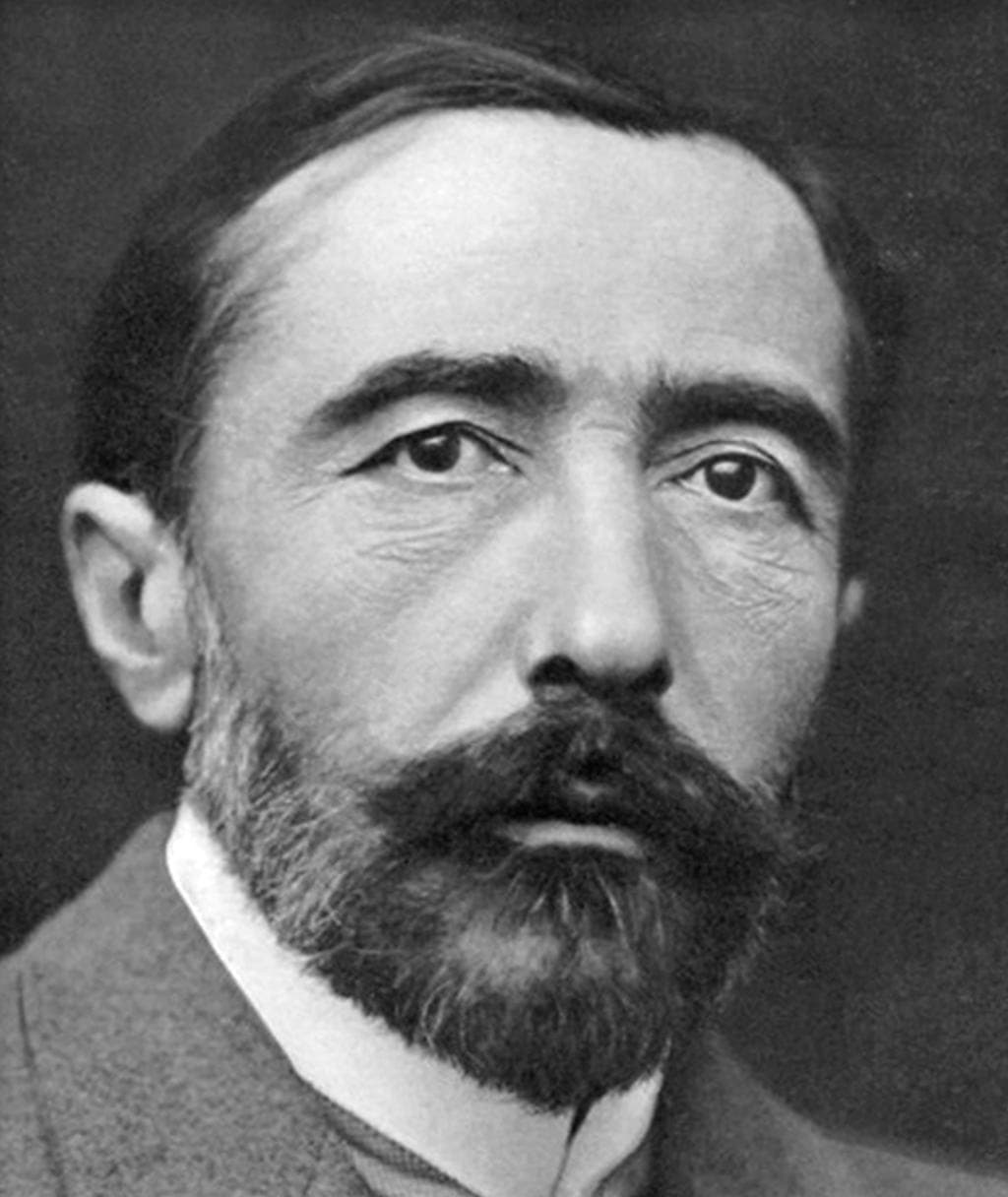
Conrad Joseph
Born Jozef Teodor Konrad Nalecz Korzeniowski in Ukraine of Polish parents in 1857, Conrad served in the British Merchant Service (1878-94), travelling to Africa, Australia, India, Indonesia and the Orient, becoming a British citizen in 1886. Turning to full-time writing in 1894, his years at sea featured heavily in his early works. His novels, such as ‘Lord Jim’, and his novella ‘Heart of Darkness’ (on which the film ‘Apocalypse Now’ was based) have brought him an enduring reputation.
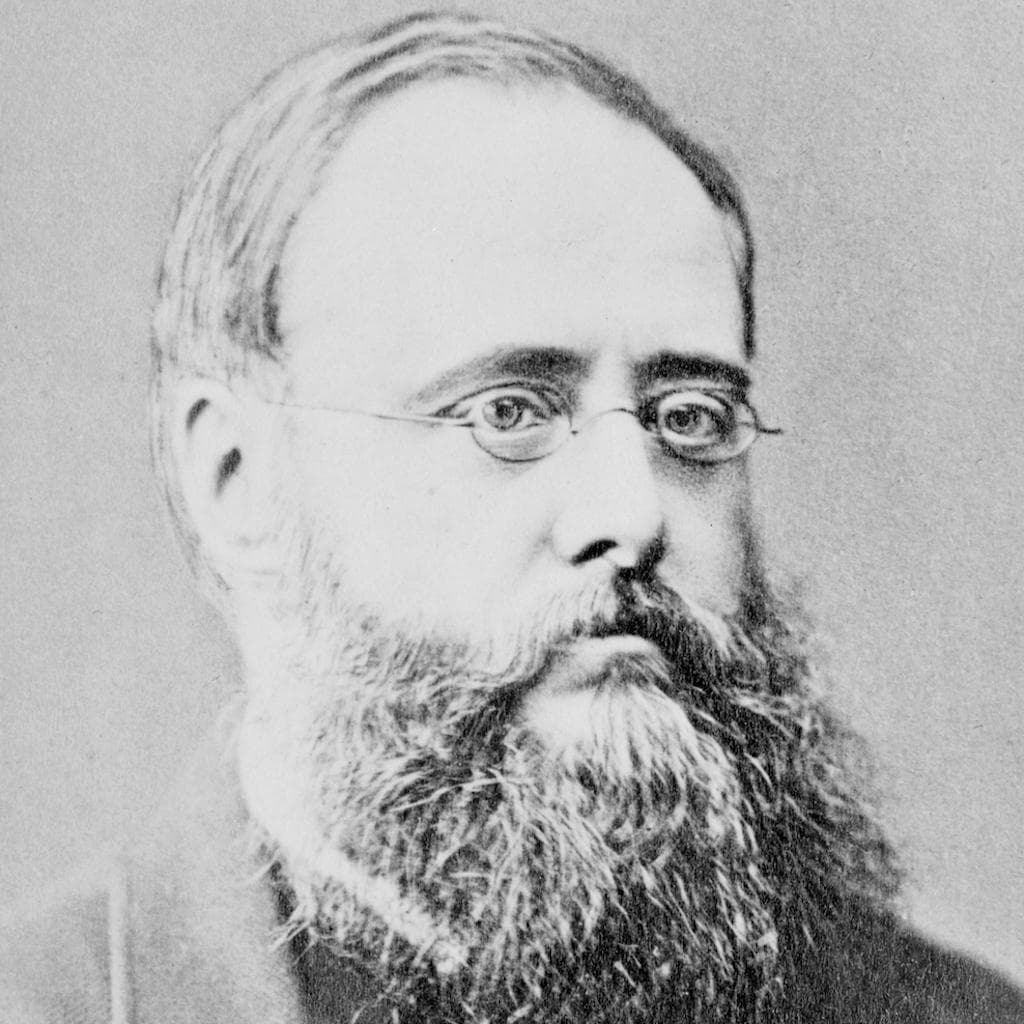
Collins Wilkie
“Make ’em cry, make ’em laugh, make ’em wait – exactly in that order.” William Wilkie Collins (1824-1889) was the leading sensational novelist of the Victorian era, and during the 1860s his novels, published in weekly instalments, equalled the popularity of the works of his friend Charles Dickens. With ‘The Woman in White’ and ‘The Moonstone’, he is credited with the creation of the detective story.
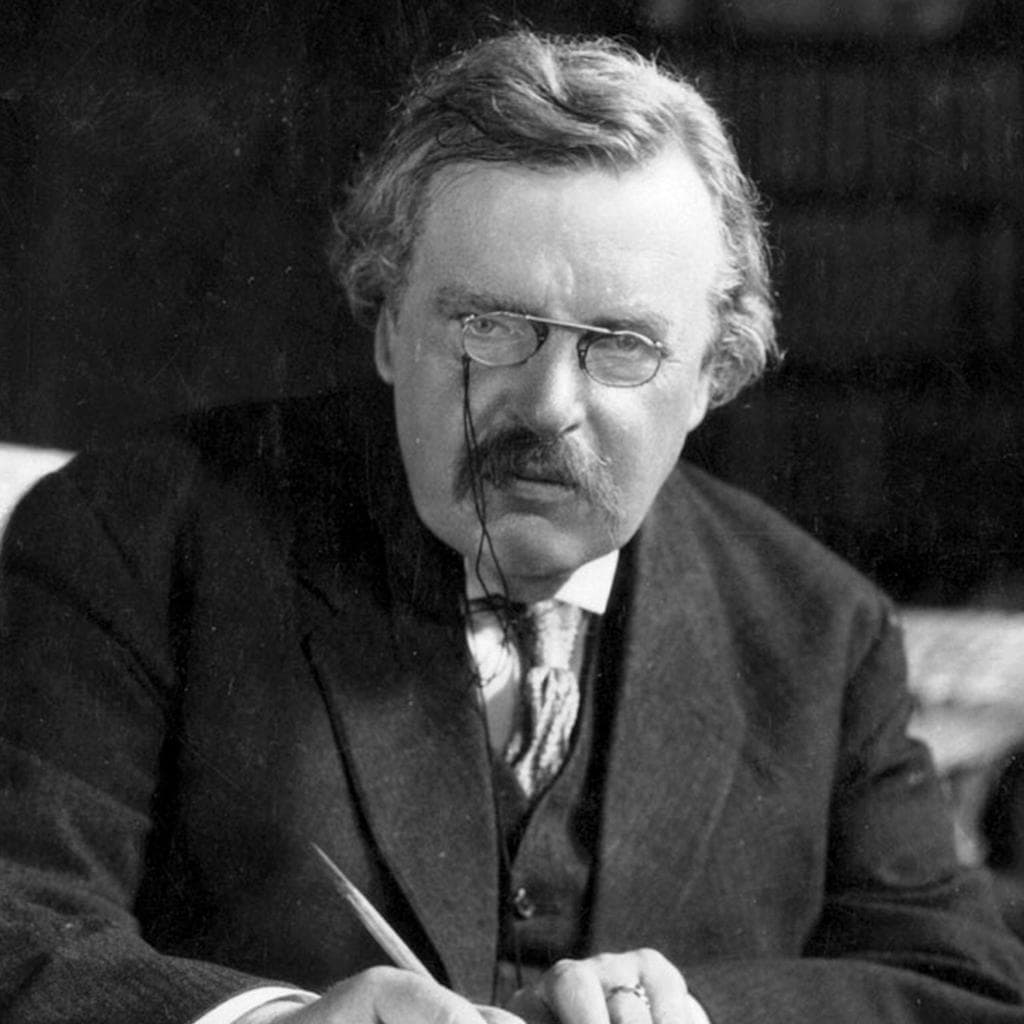
Chesterton G.K.
Gilbert Keith Chesterton (1874-1936) was an English writer, critic, playwright, historian and theologian. From his massive output of work, he is now remembered principally for his fifty-two short stories of Father Brown, the cleric turned detective.
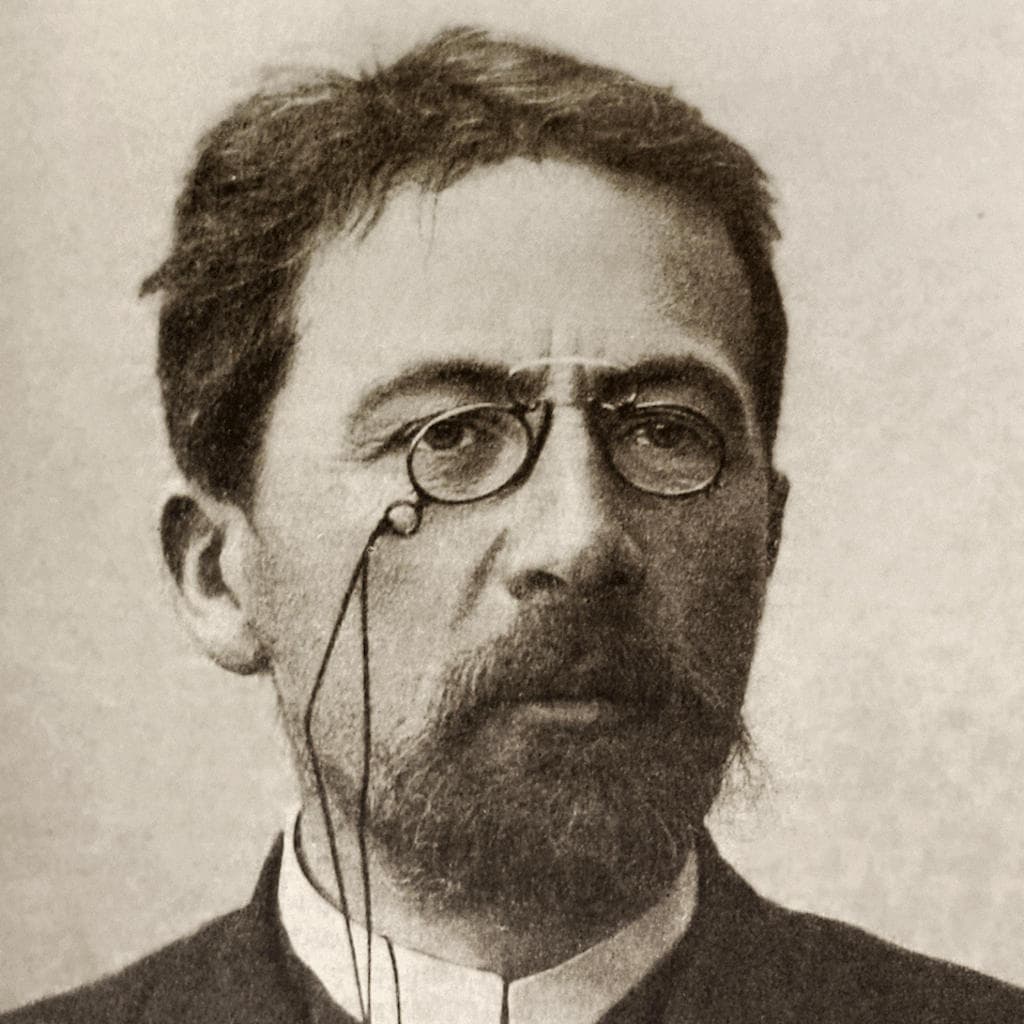
Chekhov Anton
Anton Chekhov (1860-1904) was a Russian physician, writer and dramatist. Considered by many to be the most important short-story writer of all time, his prose works have had a lasting influence on the development of literature. His dramatic work is equally highly rated.