
BLOG POSTS
Archives: Book Authors
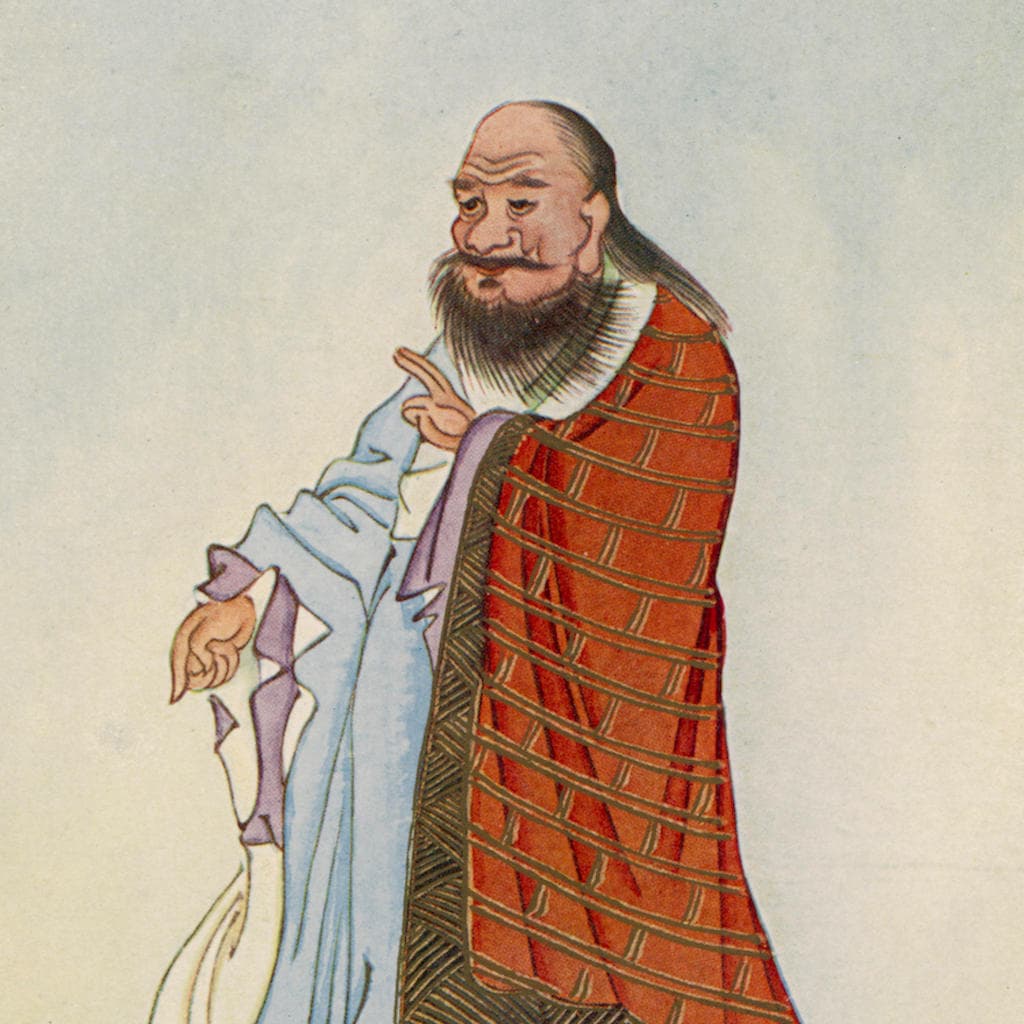
Tzu Lao
Dating from around 300BC, ‘Tao Te Ching’, attributed to Lao Tzu, is the first great classic of the Chinese school of philosophy called Taoism. Within its pages is summed up a complete view of the cosmos and how human beings should respond to it. A profound mystical insight into the nature of things, forms the basis for a humane morality and vision of political utopia.This ancient text is the world’s most widely translated next to the Bible.
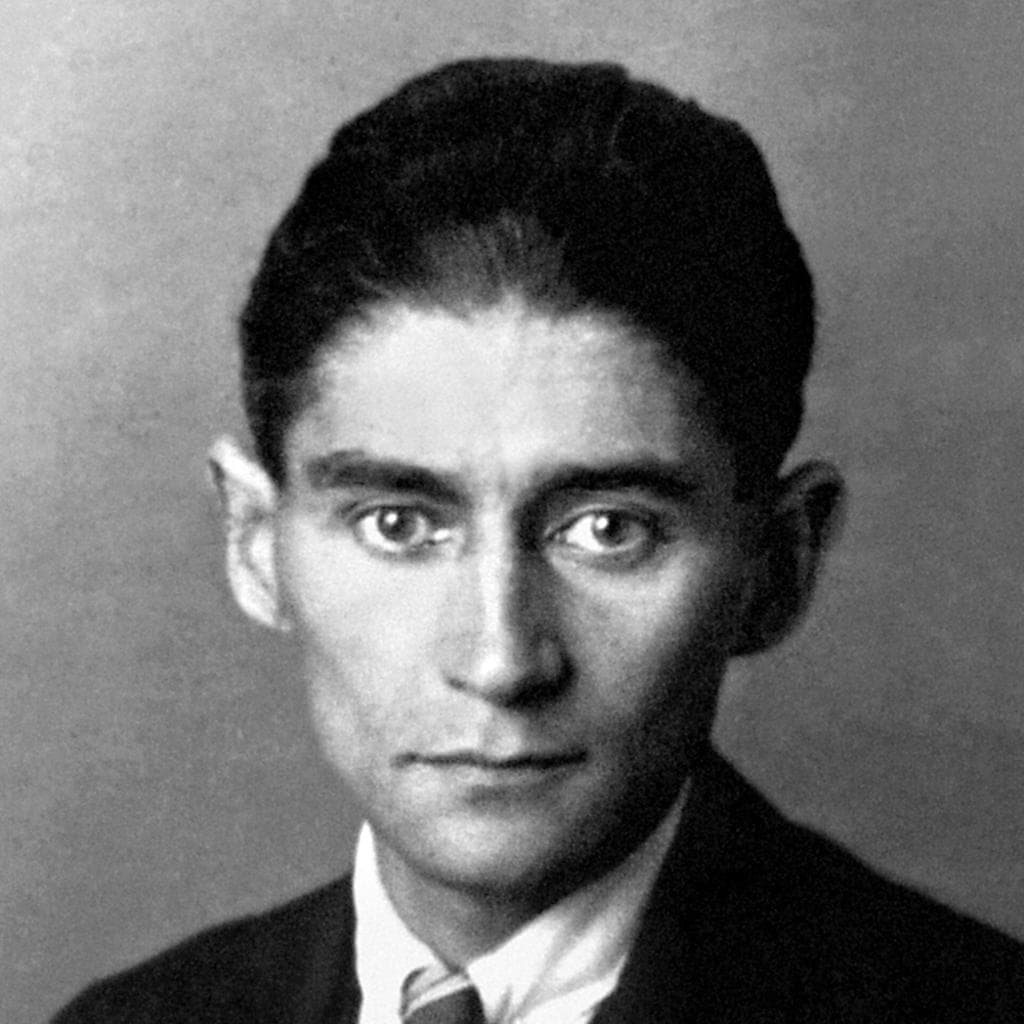
Kafka Franz
Franz Kafka (1883 – 1924) is a Jewish Czechoslovakian who wrote in German, and who ranks among the twentieth-century’s most acclaimed writers. His works evoke the bewildering oppressiveness of modern life, of anxiety and alienation in a world that is largely unfeeling and unfamiliar. Although most of his work was published posthumously, his body of work, including the novels ‘The Trial’ (1925) and ‘The Castle’ (1926) and the short stories including ‘The Metamorphosis’ (1915) and ‘In the Penal Colony’ (1914), is now considered among the most original in Western literature.
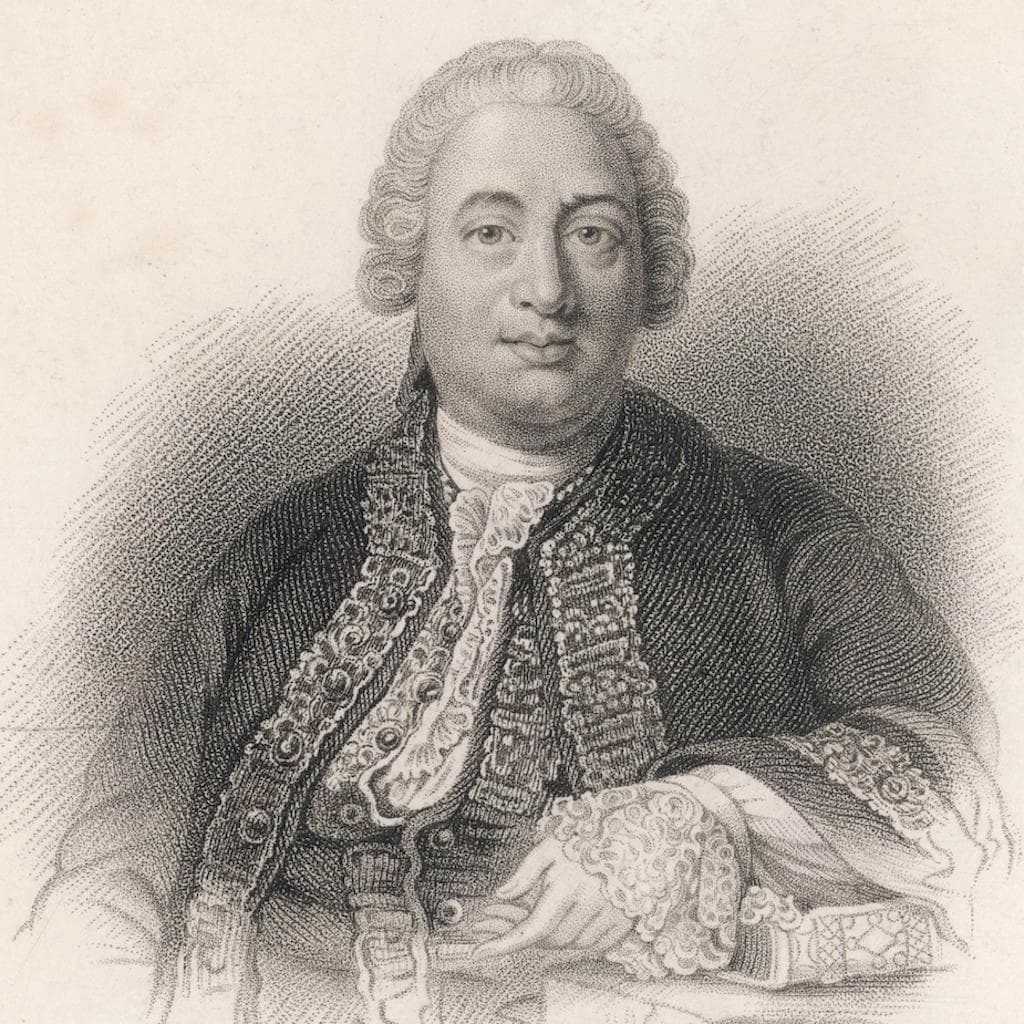
Hume David
David Hume (1711-1776) is one of the most important British philosophers, essayists, and historians of the eighteenth century. Hume’s works, controversial in his day, remain deeply and widely influential in ours, especially for his contributions to our understanding of the nature of morality, political and economic theory, philosophy of religion, and philosophical naturalism.
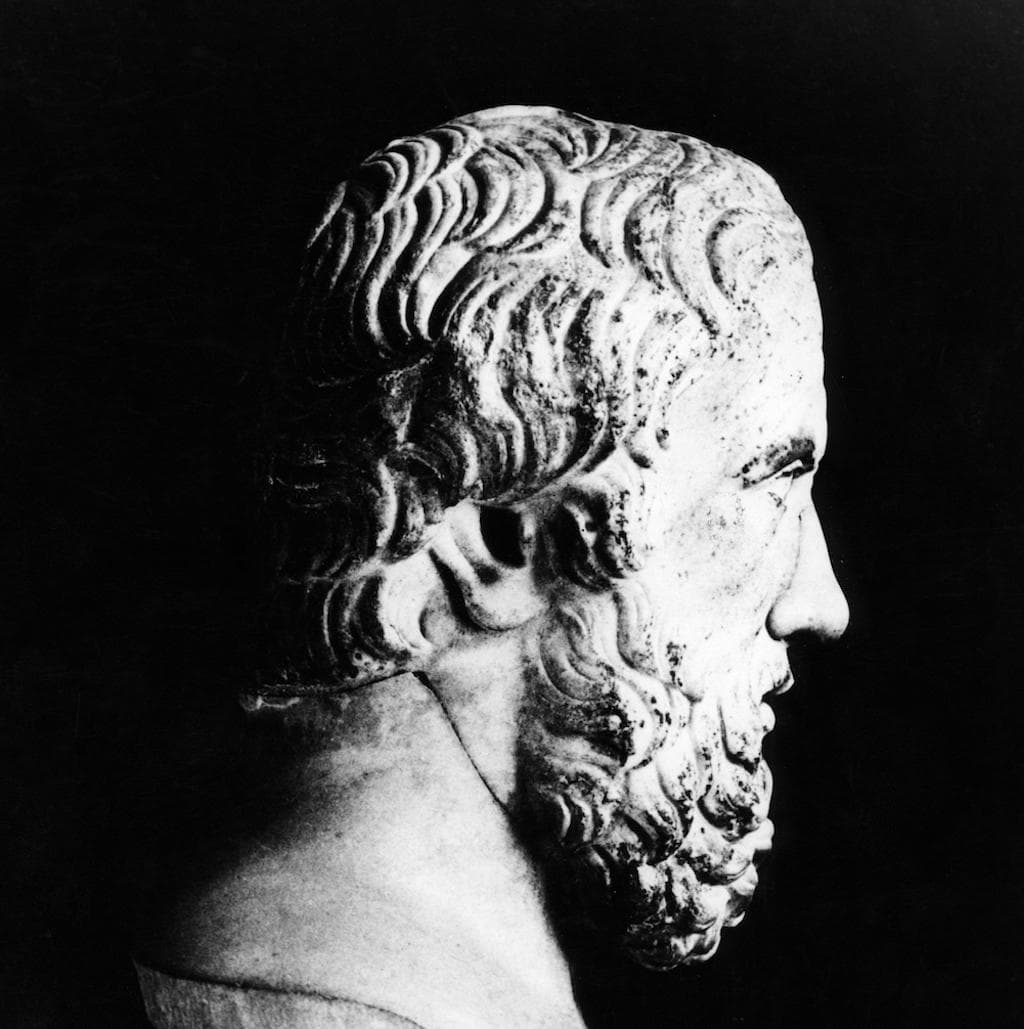
Herodotus
Herodotus (c.484 BC -c.420 BC) is often called the “Father of History,” and is the earliest, and one of the greatest of the ancient Greek prose writers. In most instances, his account is the only substantial one that survives of many key historical events.
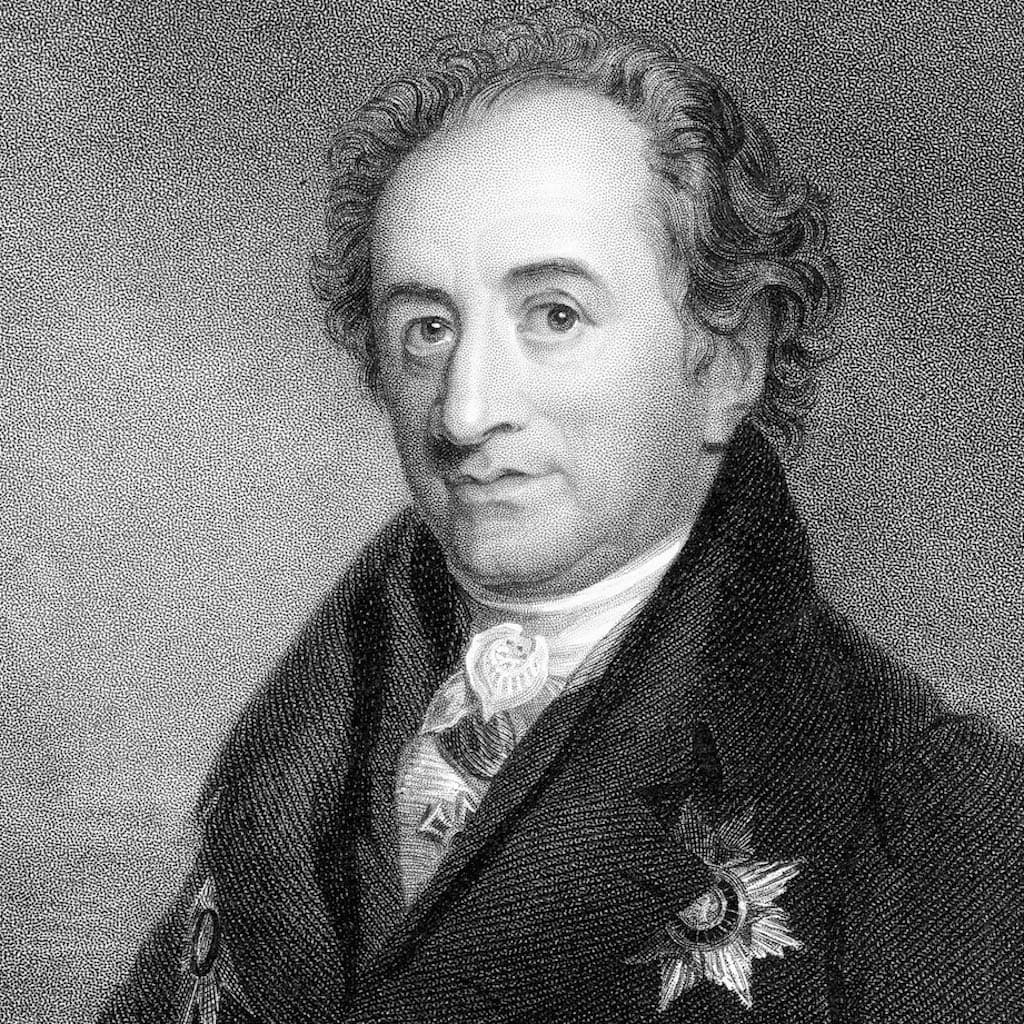
Goethe Johann Wolfgang von
Johann Wolfgang von Goethe (1749 – 1832) is widely acknowledged as the greatest writer of the German tradition. He began writing his masterpiece, the play ‘Faust’, at the age of twenty-three, and finished the second part just before his death. Building on an old legend of the scholar who makes a pact with the devil, Mephistopheles, his work has had an enduring reputation and influence.
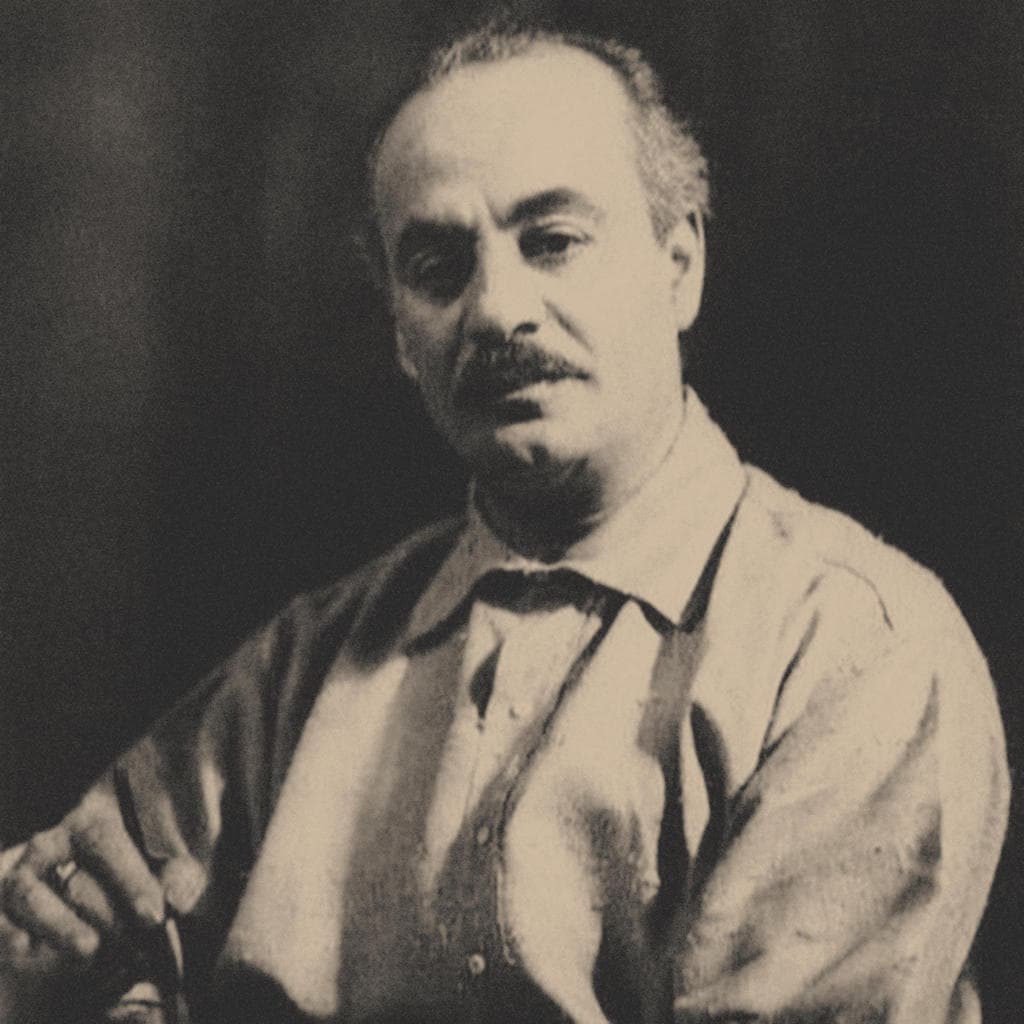
Gibran Kahlil
‘The Prophet’, by Kahlil Gibran (1883 – 1931) is a book composed of twenty-six poetic essays. Continually in print since its publication in 1923, its ongoing popularity is a continuation of the interest generated by the American counterculture of the 1960s and the New Age movement.
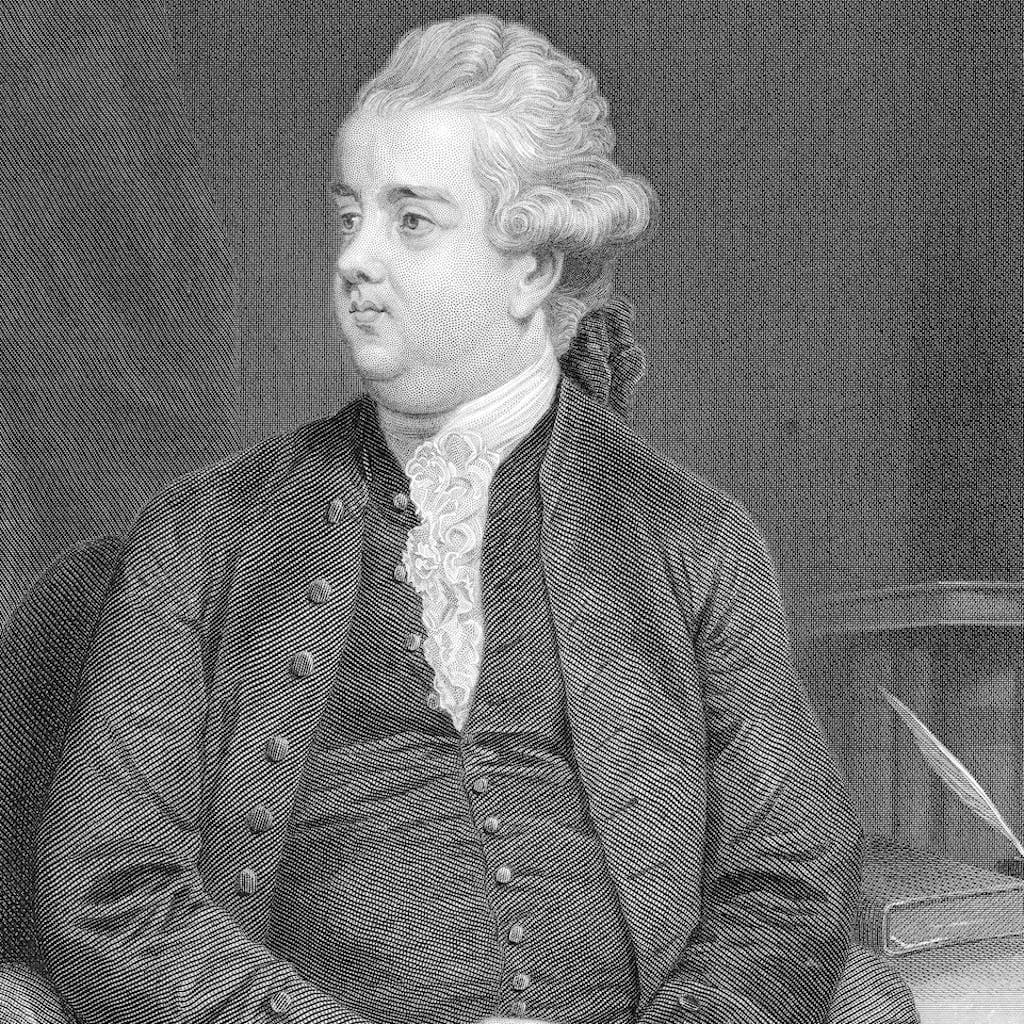
Gibbon Edward
‘The History of the Decline and Fall of the Roman Empire’ by Edward Gibbon (1737 – 1794) is a work that is instantly familiar to most ears, even to those who would never consider reading it. It comprises 71 chapters, approximately 1,500,000 words, and nearly 8,000 footnotes and covers a time span of close to 1,500 years. Still in use as a reliable record of the period, it has been described as ‘the greatest prose epic in the English tongue’.
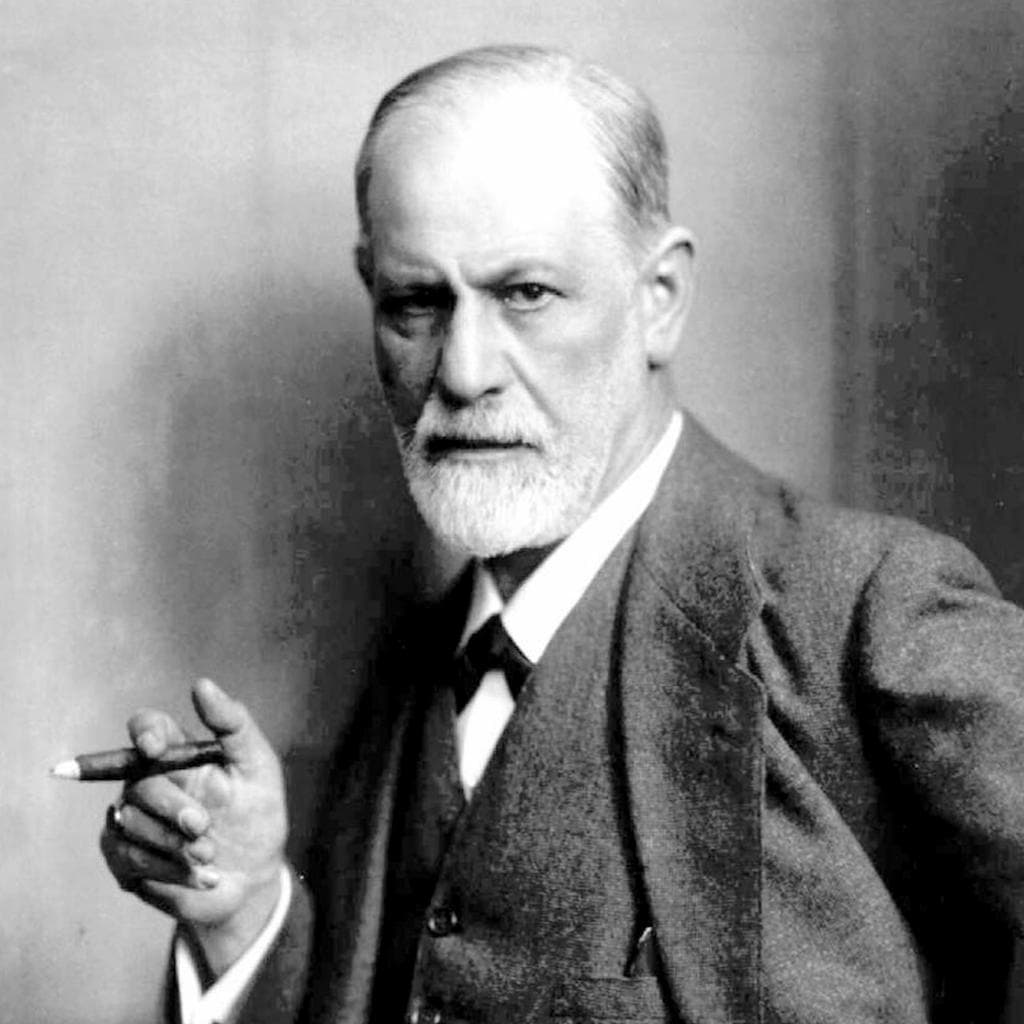
Freud Sigmund
Sigismund Freud (1856 – 1939), better known as Sigmund Freud, was an Austrian psychiatrist who founded the psychoanalytic school of psychology. If some of his ideas, always controversial, have now fallen out of favour, it does not diminish the impact that his thinking has had on psychology, therapy and, indeed, culture in general. His favourite book, ‘The Interpretation of Dreams’, remains the most significant work on the subject matter, even if some of the underlying theories have been discredited.
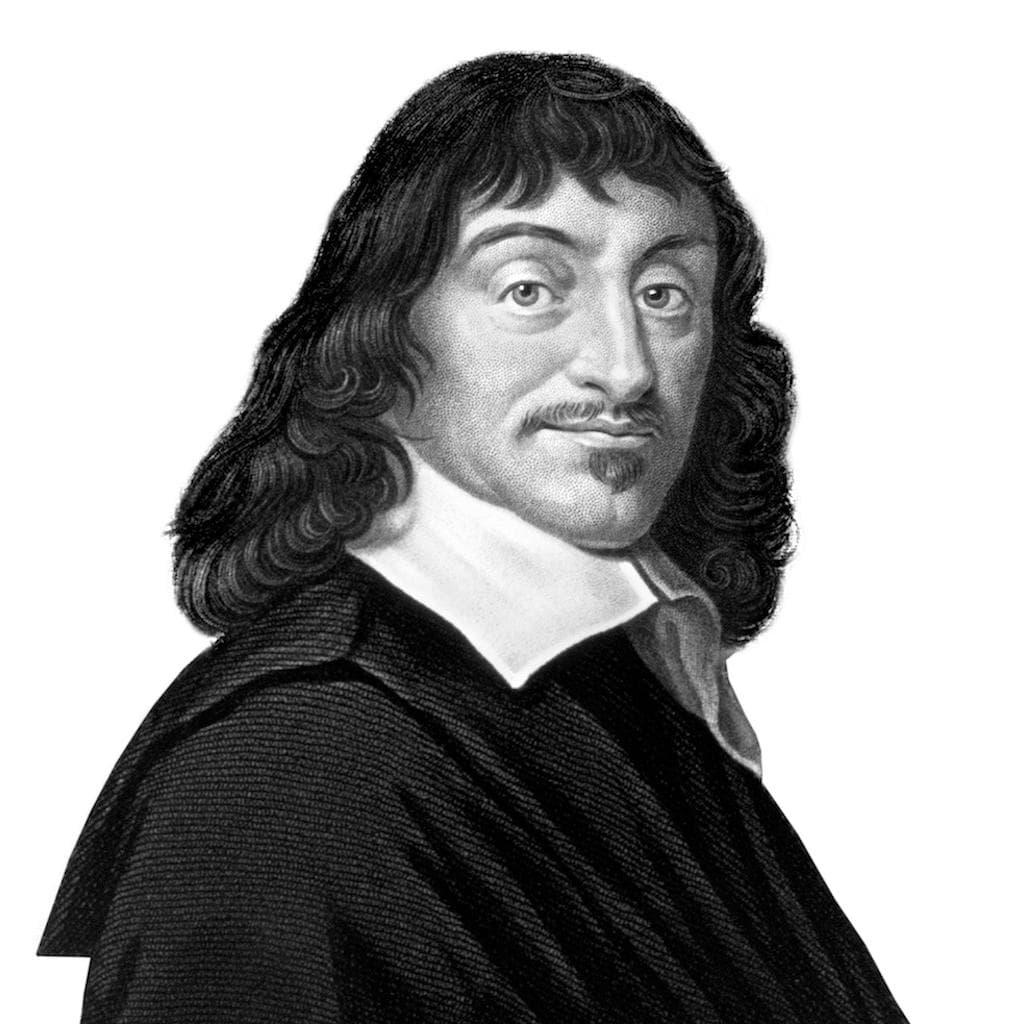
Descartes Rene
Rene Descartes (1596 – 1650) has been described as the ‘father’ of modern philosophy, and is, without doubt, one of the greatest thinkers in history. His genius lies at the core of our contemporary intellectual identity. His writings attempted to answer the central questions surrounding the self, God, free-will and knowledge, using the science of thought as opposed to received wisdom based on the tenets of faith.